


- Chairs
- Tables
- Bedroom Furniture
- Assisted Baths & Hoists
- Communal Furniture
- Office Furniture
- Specialist Seating
- Conservatory Furniture
- Outdoor Furniture
- Soft Furnishings
- Floor Coverings
- Challenging Behaviour




Anglesey Range
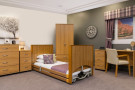
Argyle Range

Brentwood Range

Etton Range

Farringdon Range

Fernlee Range
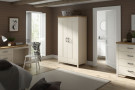
Harlow Range

Henley Range

Iona Range

Linford Range
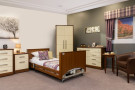
Pembroke Range
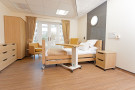
Skomer Range

Stirling Range

Grantham Range

Beds

Bedroom Accessories
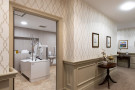

Bexley Range

Cheviot Range

Chilton Range

Croydon Range

Communal Seating

Orkney Range

Nelson Range

Clifton Range

Tilston Range
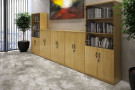
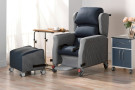

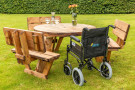




Challenging Behaviour Bedroom Furniture

Challenging Behaviour Armchairs & Sofas

Challenging Behaviour Dining Chairs

Challenging Behaviour Tables

Challenging Behaviour Communal Furniture









- 5 Year Guarantee
- British Manufacturing
- Personal Service
- Est. 1991
Cleaning Chairs
EVERYDAY CARE
- Vacuum fabric surfaces regularly using a soft brush attachment.
- Wipe furniture with a clean microfibre cloth lightly dampened with water.
- Pay extra attention to arms, seats and headrests where everyday contact is highest.
- Deal with spills and marks as soon as possible.
- Regular cleaning helps prevent the build-up of dirt, body oils and cleaning residues, making furniture easier to maintain and helping it look its best for longer.
IF A SPILL HAPPENS
- Use a clean absorbent cloth to soak up as much of the spill as possible.
- Avoid rubbing, as this can spread the stain further into the fabric.
- Use a suitable upholstery cleaner if required.
- Remove any cleaning residue with a clean damp cloth.
- Allow the area to dry naturally.
The quicker a spill is treated, the easier it is to remove.
INFECTION CONTROL
Where bodily fluids are involved, deal with the contamination immediately. Remove as much as possible using a clean absorbent cloth, then wipe the area with a clean damp cloth.
Follow your organisation’s infection control procedures and use approved cleaning and disinfecting products suitable for the upholstery surface.
Prompt attention will help maintain hygiene standards and reduce the risk of staining.
CHOOSING THE RIGHT CLEANING PRODUCTS
Always use cleaning and disinfecting products that are suitable for healthcare upholstery and compatible with the specific fabric or surface being cleaned. Always test products on an inconspicuous area first.
Using unsuitable products may damage the upholstery, reduce its performance and affect any applicable warranty.
Examples of suitable cleaning solutions include Platinum Spot & Stain Remover (PLAT1044) for treating everyday spills and stains, and Platinum Perfumed Odestroy (PLAT053T) for routine cleaning, odour control and deodorising.
Where suitable, apply the cleaning solution to a clean damp microfibre cloth rather than directly onto the upholstery. Gently wipe the affected area, avoiding over-wetting the fabric, and allow the surface to dry naturally.
Always follow the product instructions and the upholstery manufacturer’s care guidance.
VINYL & FAUX LEATHER FURNITURE
Vinyl and faux leather surfaces are easy to maintain with regular wiping using a damp
microfibre cloth.
Prompt cleaning of spills, avoiding harsh chemicals and drying surfaces after cleaning
will help preserve the surface and keep it looking its best.
COLOUR TRANSFER
Dark clothing, particularly denim, may transfer colour onto lighter fabrics and
vinyls. Prompt cleaning will help reduce the risk of permanent staining.
RECOMMENDED CARE
DO:
- Vacuum regularly
- Clean spills promptly
- Use soft microfibre cloths
- Use manufacturer-approved cleaning products
- Remove cleaning product residue after cleaning
- Allow furniture to dry naturally
AVOID
- Solvent-based, alcohol-based, ammonia-based or abrasive cleaners
- Harsh chemicals or unapproved disinfectants
- Excessive water or soaking upholstery
- Immersing furniture in water
- Steam cleaning unless specifically approved by the manufacturer